Chile - Torres del Paine W Trek (2018)
21 May, 2026 | ~1700 words | Also available in: 中文
(Original notes written in 2018, organized onto this blog in 2026. This post covers the second half of the trip in Chile; for the first half in Argentina, check here.)
The main goal of coming to Chile—in fact, of this entire South America trip—was hiking Torres del Paine National Park. Trekking in Torres del Paine generally comes in two routes: the O Circuit and the W Trek. The O Circuit is the full loop, taking about a week to ten days, and is widely considered one of the top 10 treks in the world. The W Trek is shorter, doable in around 4 to 5 days, and hits the main highlights: the Three Towers (Las Torres), French Valley (Valle del Francés), and Grey Glacier (Glacier Grey). Because of time constraints, I did a shortened W Trek. And since I’d already seen plenty of glaciers in Argentina, I cut out the Grey Glacier leg and focused mainly on French Valley and Las Torres.
Itinerary
- 2018-12-24 🇦🇷El Calafate -> 🇨🇱Puerto Natales
- 2018-12-25 Puerto Natales -> Torres del Paine National Park
- 2018-12-26 Paine Grande Camp <-> French Valley
- 2018-12-27 Paine Grande Camp -> Torre Central Camp
- 2018-12-28 Torre Central Camp <-> Las Torres -> Puerto Natales
- 2018-12-29 Puerto Natales -> Punta Arenas
- 2018-12-30 Punta Arenas <-> Penguin Island -> Santiago
- 2018-12-31 Santiago -> SCL -> DFW
- 2019-01-01 SCL -> DFW -> PHX -> YVR
Day 1: 🇦🇷El Calafate -> 🇨🇱Puerto Natales
Arrived in Puerto Natales on the Chilean side around 1:30 PM. My very first meal immediately reminded me how much higher prices are here—a casual steak ran about $30, noticeably pricier than in Argentina. One funny thing: in just one day I spotted two Canadian references—a poster of Banff, and Canada Dry being sold at the supermarket!
Puerto Natales is basically a small town on the Pacific coast with not much to explore, so after dinner I just headed back to the hotel to pack.
Day 2: Puerto Natales -> Torres del Paine National Park
(2026 note: I honestly can’t remember the exact transit details from back then, and things have probably changed anyway—definitely look up the current park transportation setup.)
Getting around inside Torres del Paine is a bit of a hassle. The park is huge with several spots worth checking out, yet there’s no dedicated internal shuttle bus. So if you want to get from one point inside the park to another, you have to time it right and catch the buses coming in from outside. There are only maybe 3 or 4 buses a day, so planning your schedule is crucial.
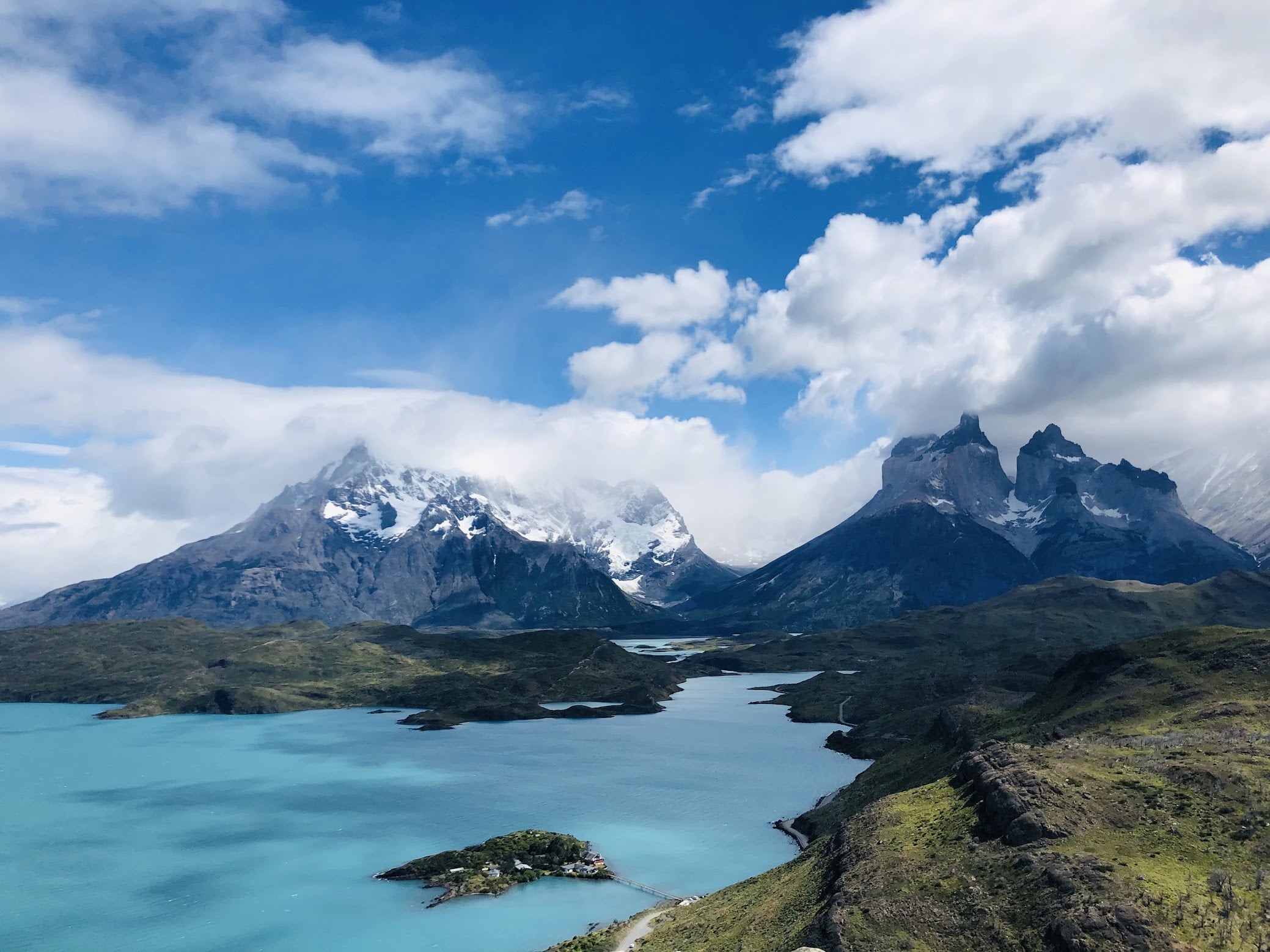
I took the 7:30 AM bus from Puerto Natales toward the park. Around 9:00 we reached Laguna Amarga, which is basically the park entrance and the first stop. Around 10:30 we arrived at Hostería Pehoé—I strongly recommend getting off here and walking around. Pretty much all of my favorite photos from Torres del Paine were taken near here at Mirador Cóndor. The trail is super easy, just a little over an hour round-trip. Afterward you can also stroll along the road north of Hostería Pehoé, which is gorgeous too.
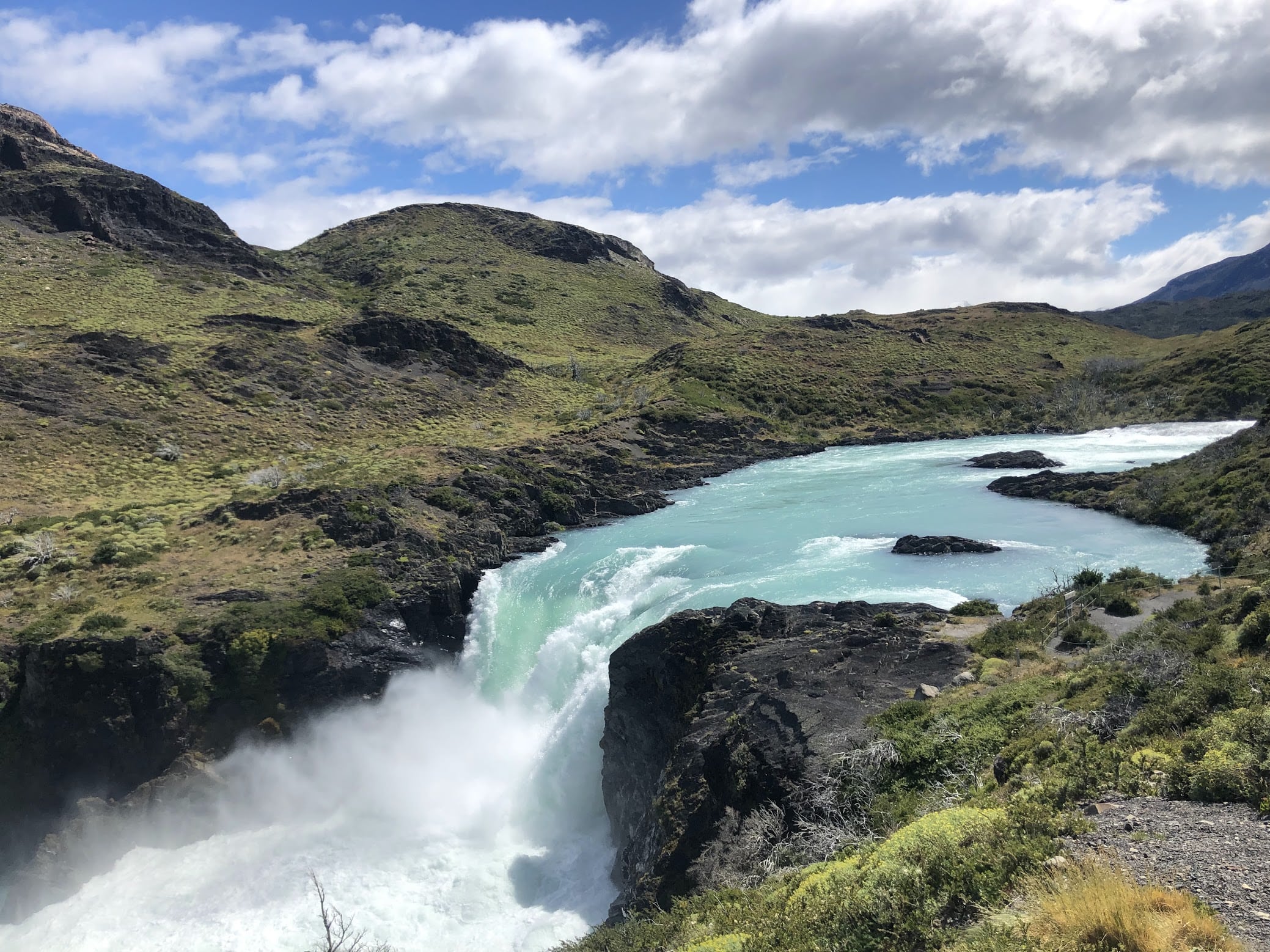
Next stop was Mirador Salto Grande, about 7km from Hostería Pehoé. I can’t even remember whether I walked or took a bus there—either way, I arrived around 3:30 PM, wandered around, and snapped some photos.
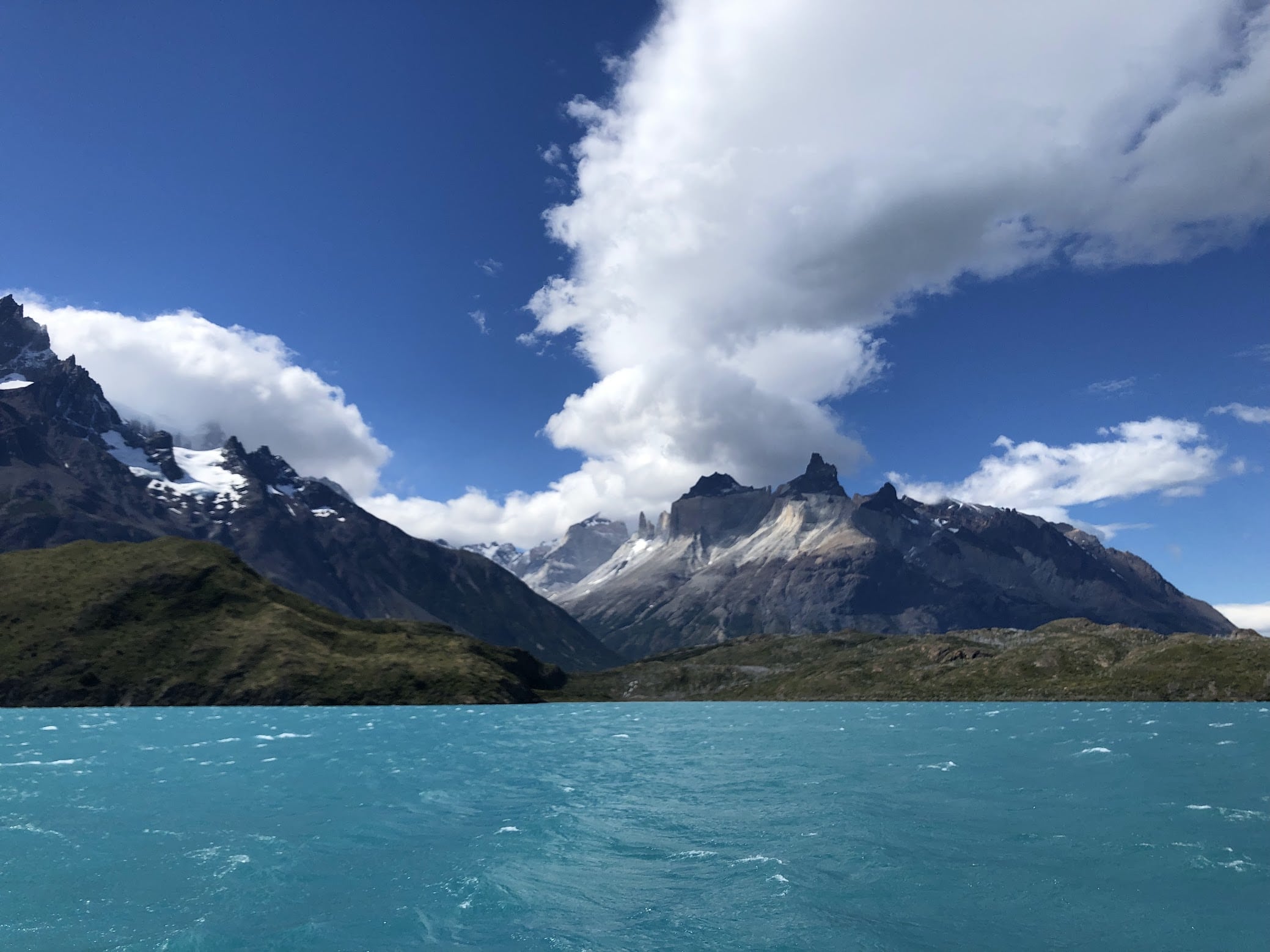
There’s also a dock right here where you can hop on a catamaran/speedboat, getting me to tonight’s stop, Refugio Paine Grande, around 5:00 PM.
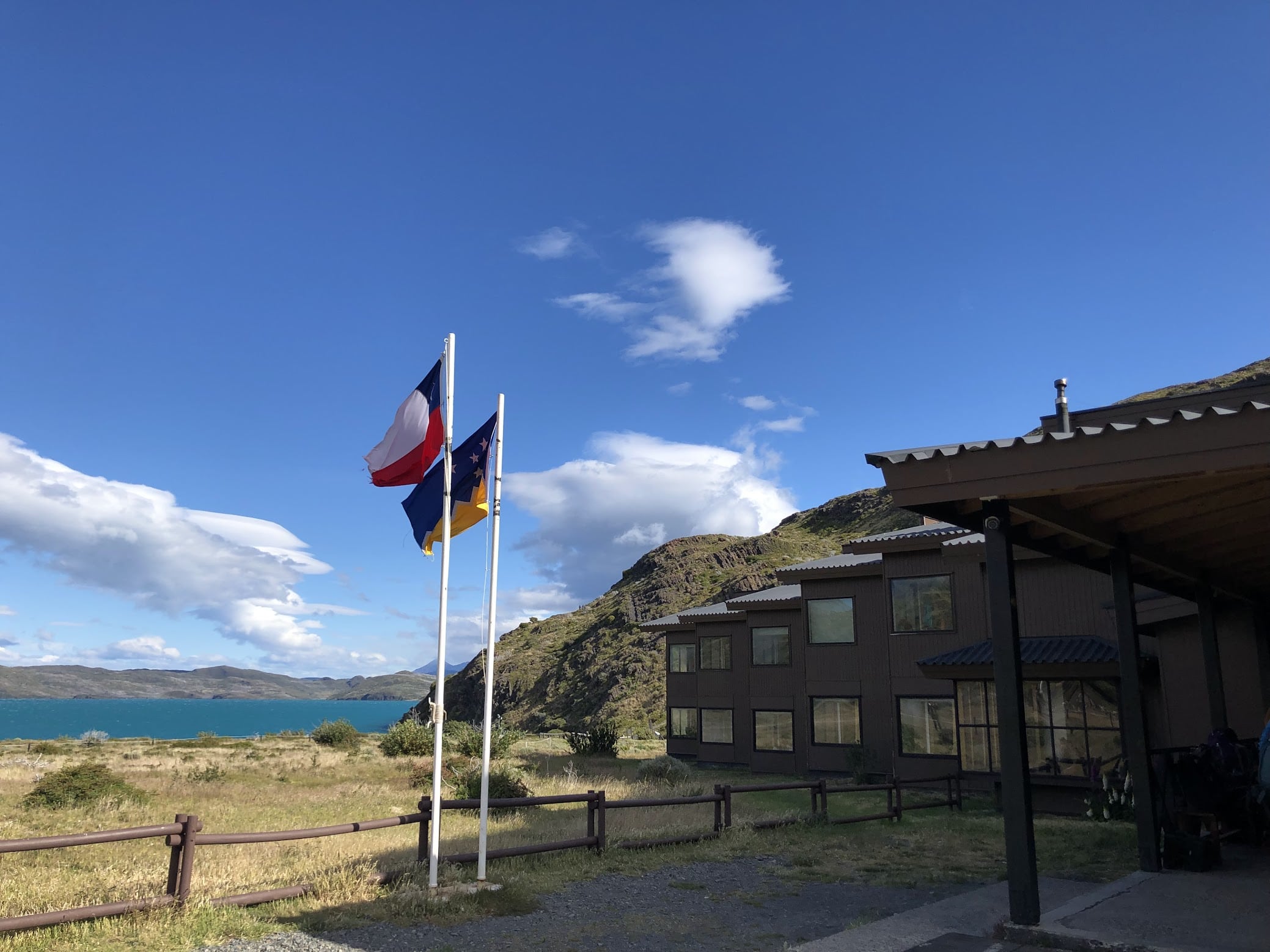
Paine Grande has both tent camping and shared dorms. The overall experience was great, and the Wi-Fi was solid too. I stayed in a 4-bed dorm for $85.
Day 3: Hiking French Valley from Paine Grande
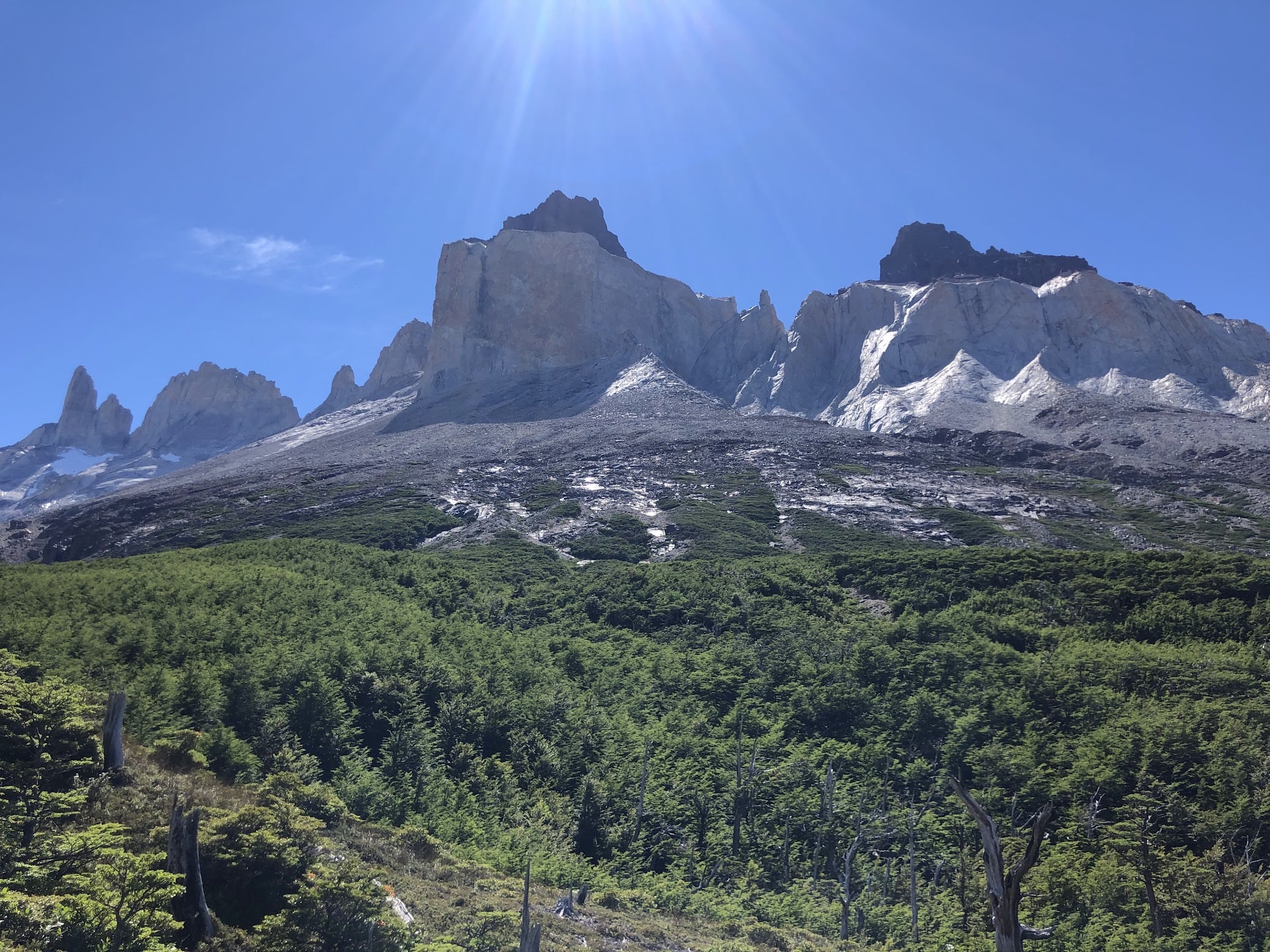
Today was the French Valley hike. Set off from Paine Grande at 8:40 AM. The first stretch is a flat walk along the lake to Camping Italiano (arrived at 10:20). From there you head up into the mountains—the first 2 hours or so are rocky and a bit tricky to walk on. Reached Mirador del Francés around 11:40 AM. To me, this was the most beautiful spot of the entire day: dramatic scenery with hanging glaciers right up on the mountains.
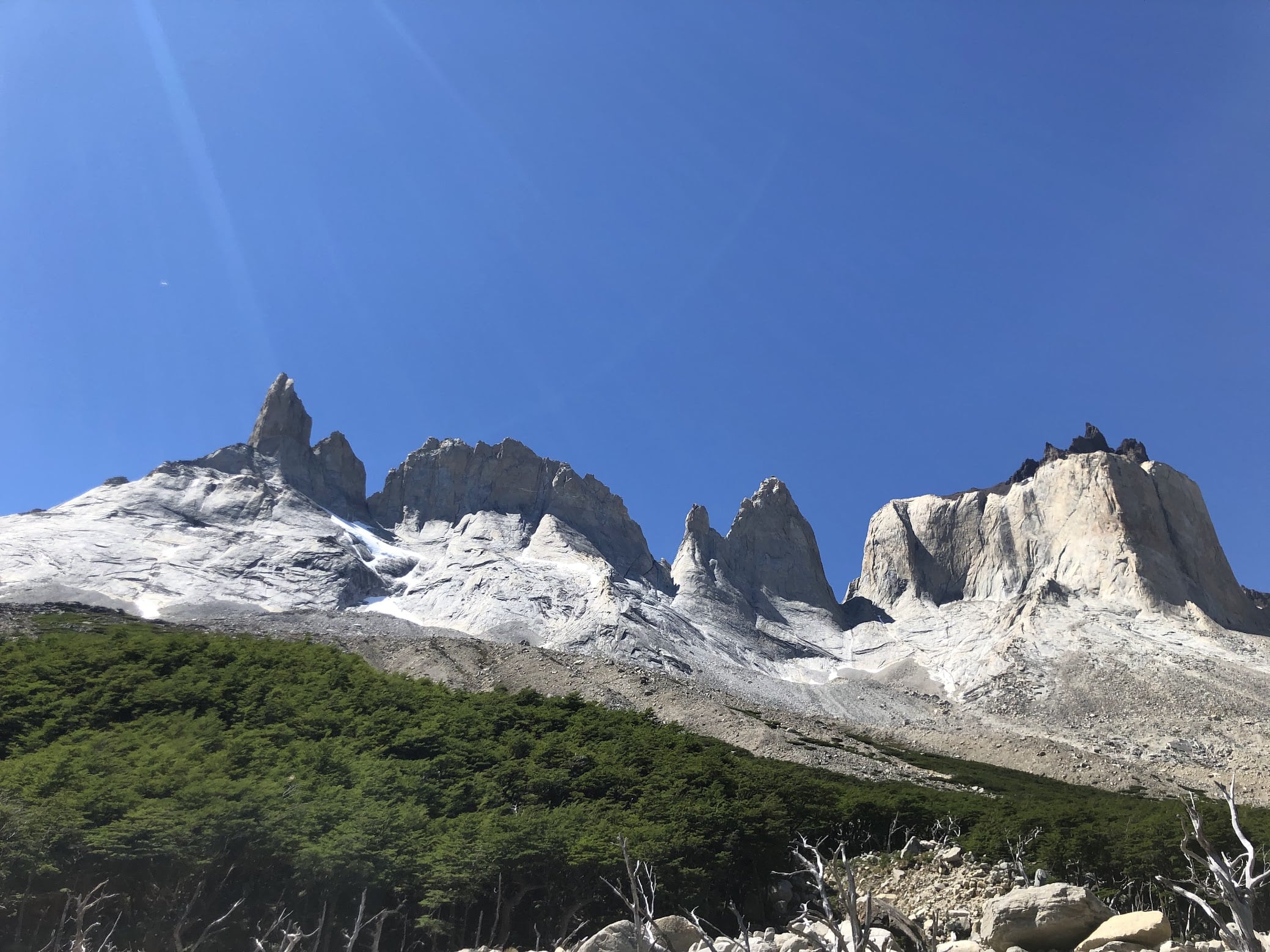
Kept pushing upward and reached the end of the trail, Mirador Británico, around 1:10 PM.
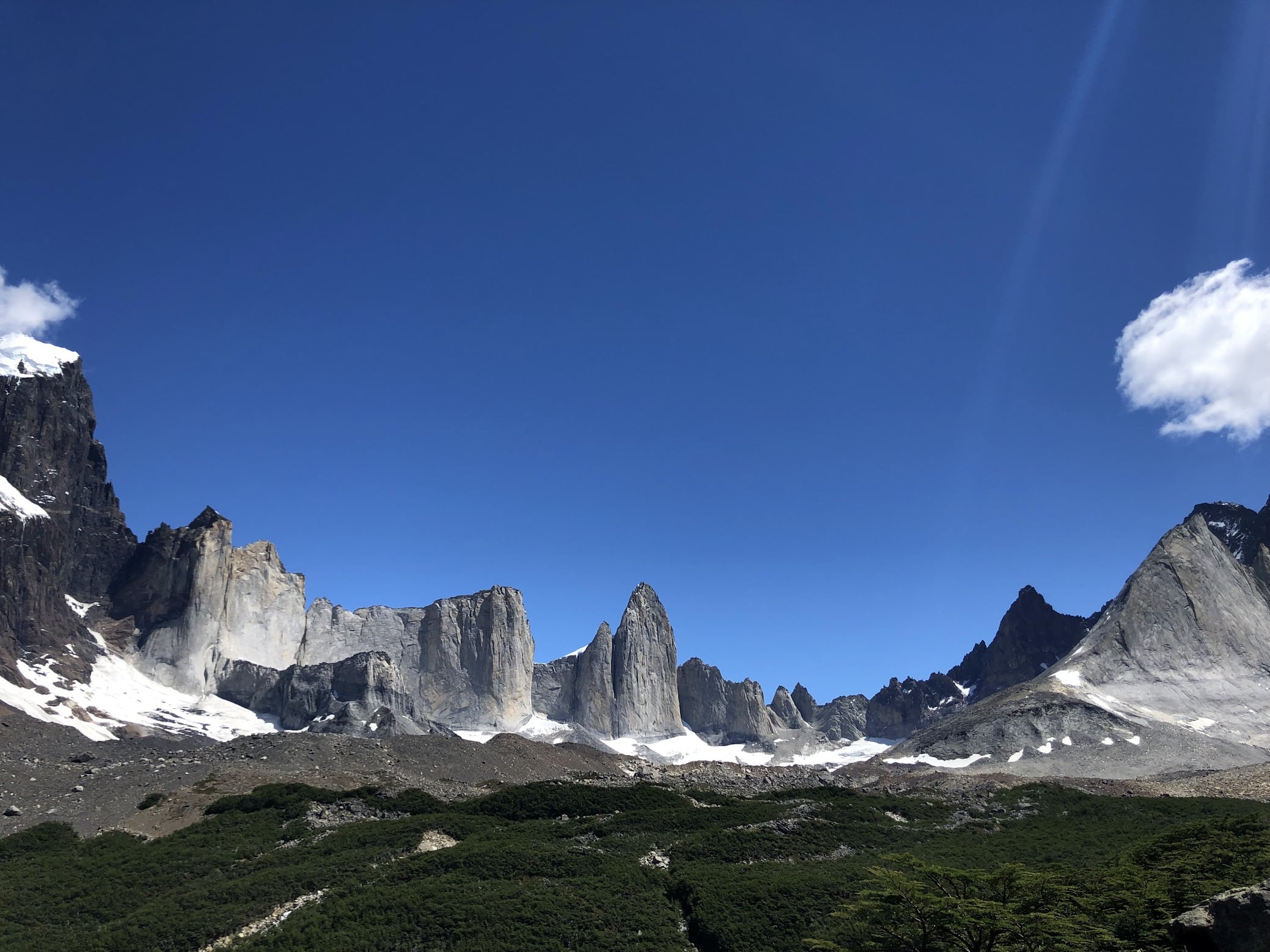
Hung out at the top until 1:40, made it back down to Camping Italiano by 3:20, and was back at Paine Grande at 5:20.
The weather wasn’t great when I started out in the morning, so I didn’t take many photos. On the walk back to Paine Grande in the afternoon, the skies actually cleared up and I got some awesome shots.
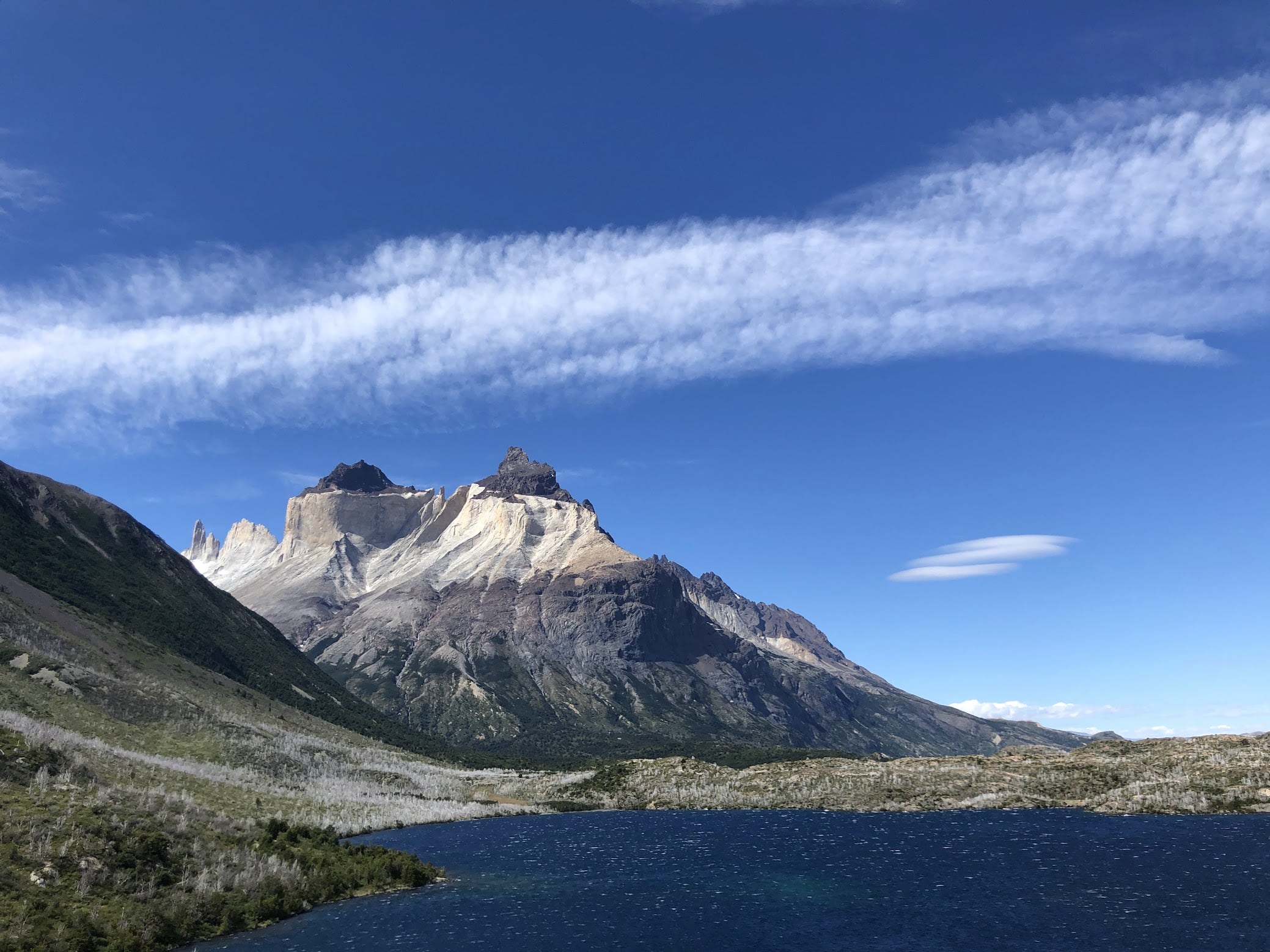
Overall my pace was pretty fast—about 30% quicker than the official estimated times.
Day 4: Paine Grande Camp -> Torre Central Camp
Today was a transit day, moving from Paine Grande over to Torre Central. Took the morning boat from Paine Grande back to Mirador Salto Grande, then caught a bus to the entrance, and then a shuttle to Central (forgot the exact details).
Since I was back at Mirador Salto Grande anyway, I walked a few trails nearby and grabbed some more great shots~
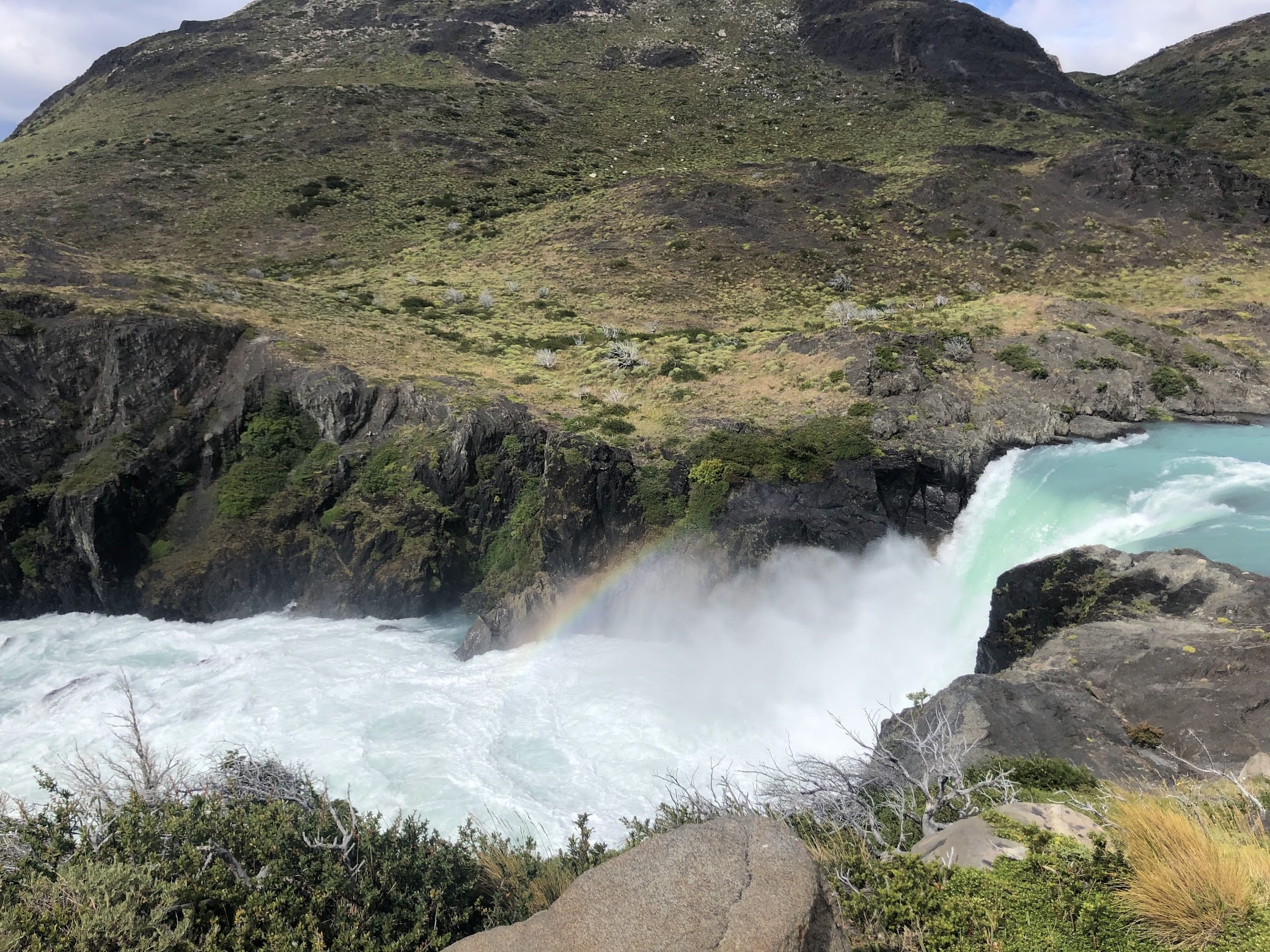
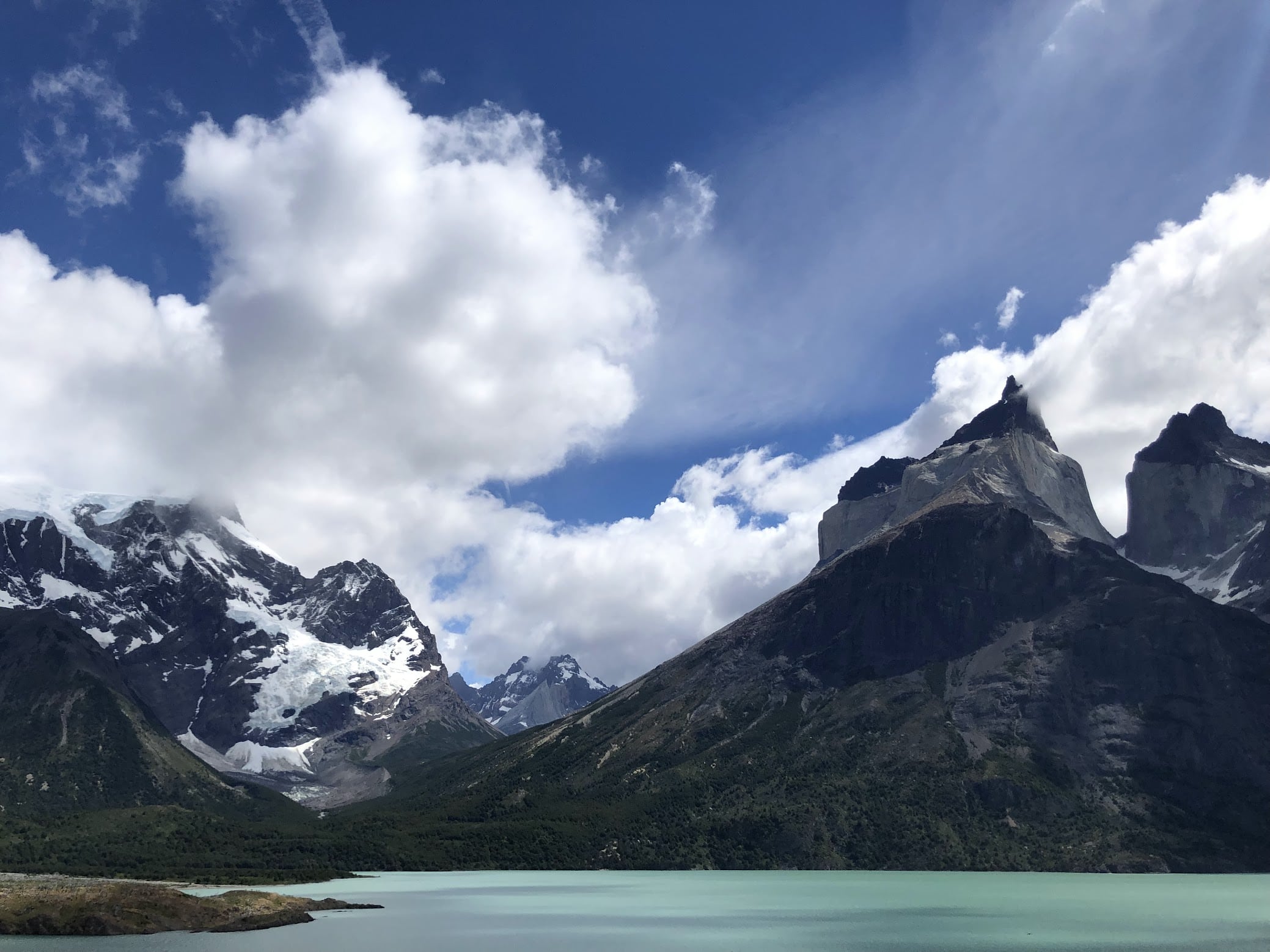
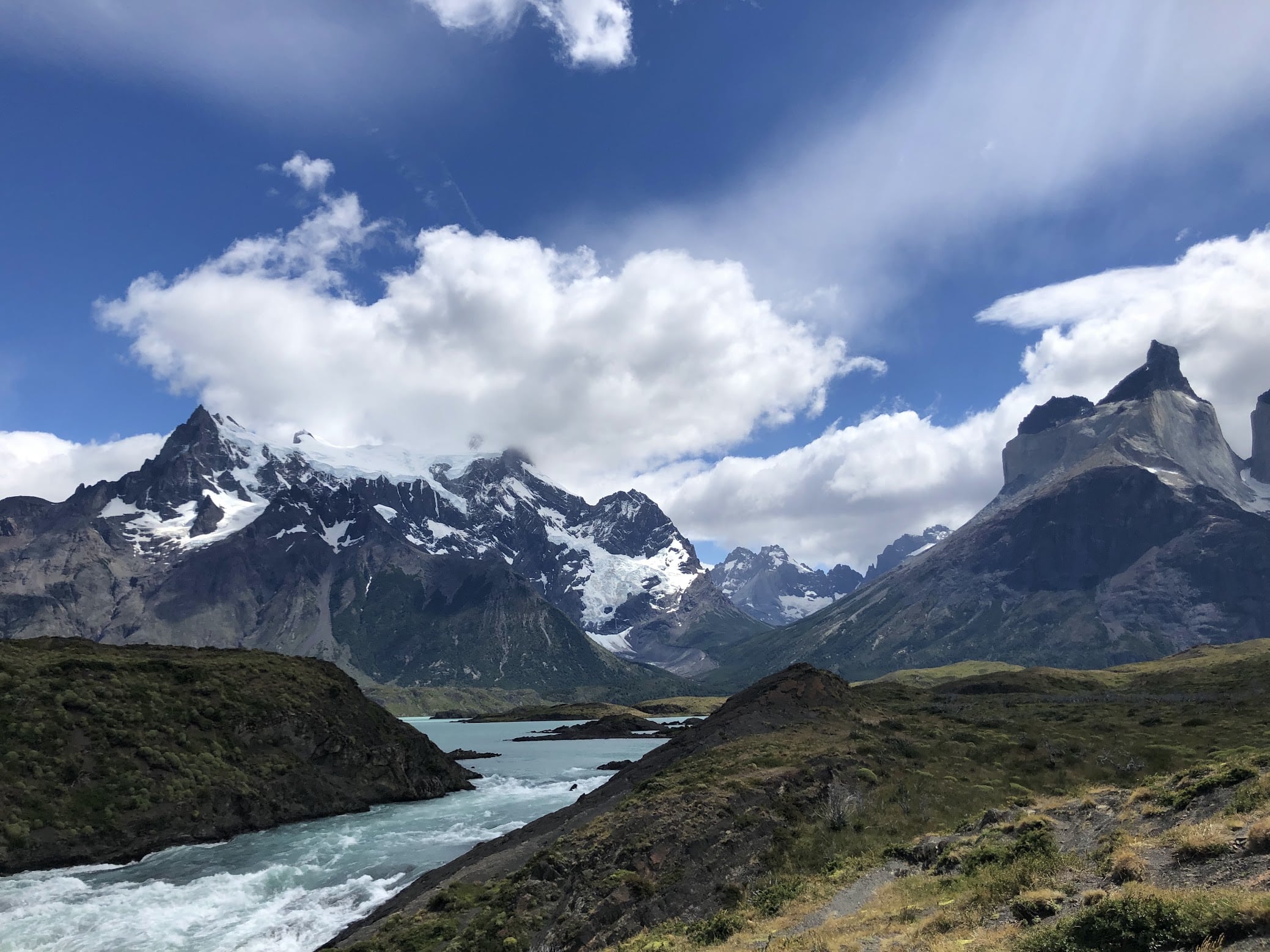
Stayed at Refugio Torre Central for $110, which felt like a huge rip-off compared to Paine Grande—everything was way more expensive and not nearly as nice. Plus someone in my 6-bed dorm snored all night…
Day 5: Hiking Las Torres from Torre Central, then back to Puerto Natales
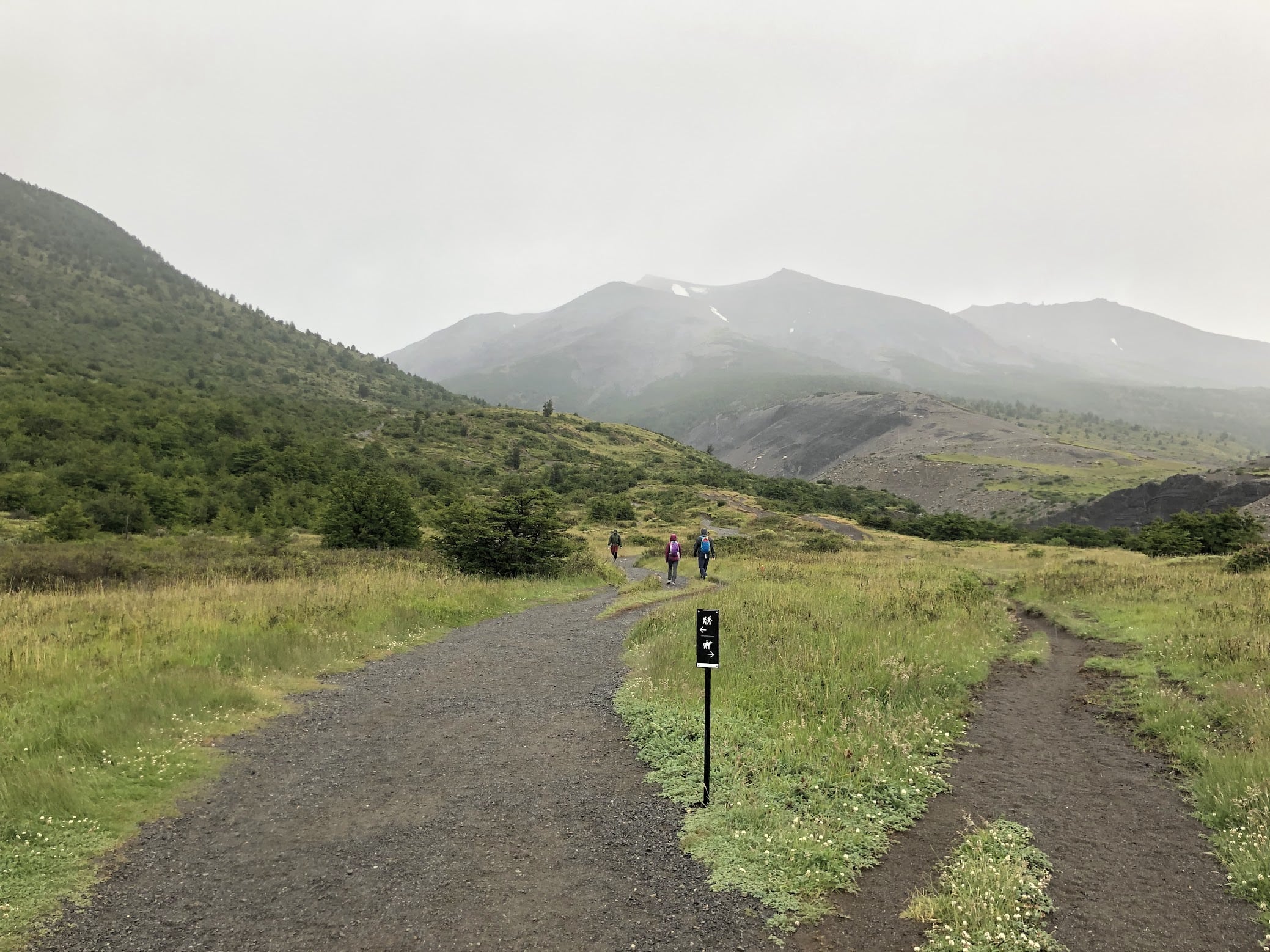
In theory, today was supposed to be the highlight of the entire Torres del Paine trek: hiking up to see the iconic Three Towers! Unfortunately, I woke up to lousy weather and light rain. Left camp at 8:30 AM, reached Refugio Chileno around 10:00, and made it to the viewpoint at 11:50. The trail is moderately challenging, and the rain slowed me down a bit—the final hour is especially tough with a lot of elevation gain.
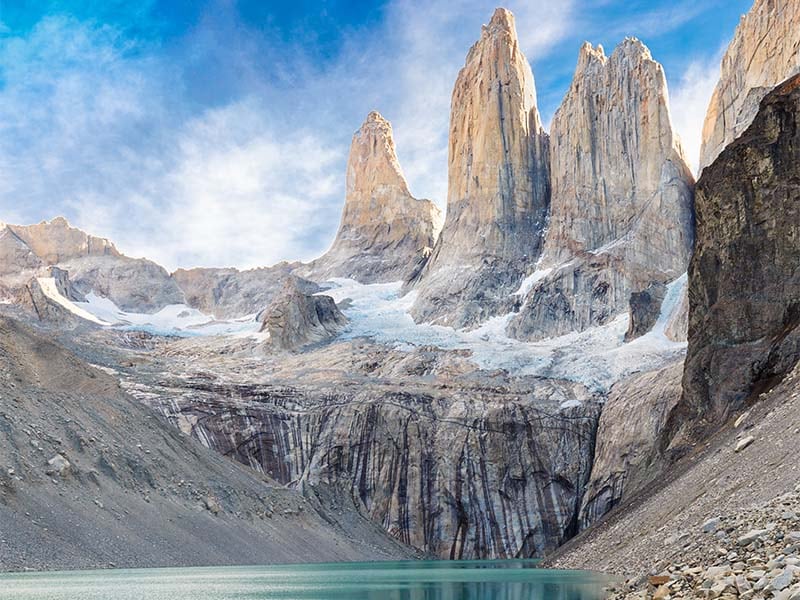
If you search Torres del Paine online, this is what the photos usually look like:
And here’s what I actually saw when I got there 😂
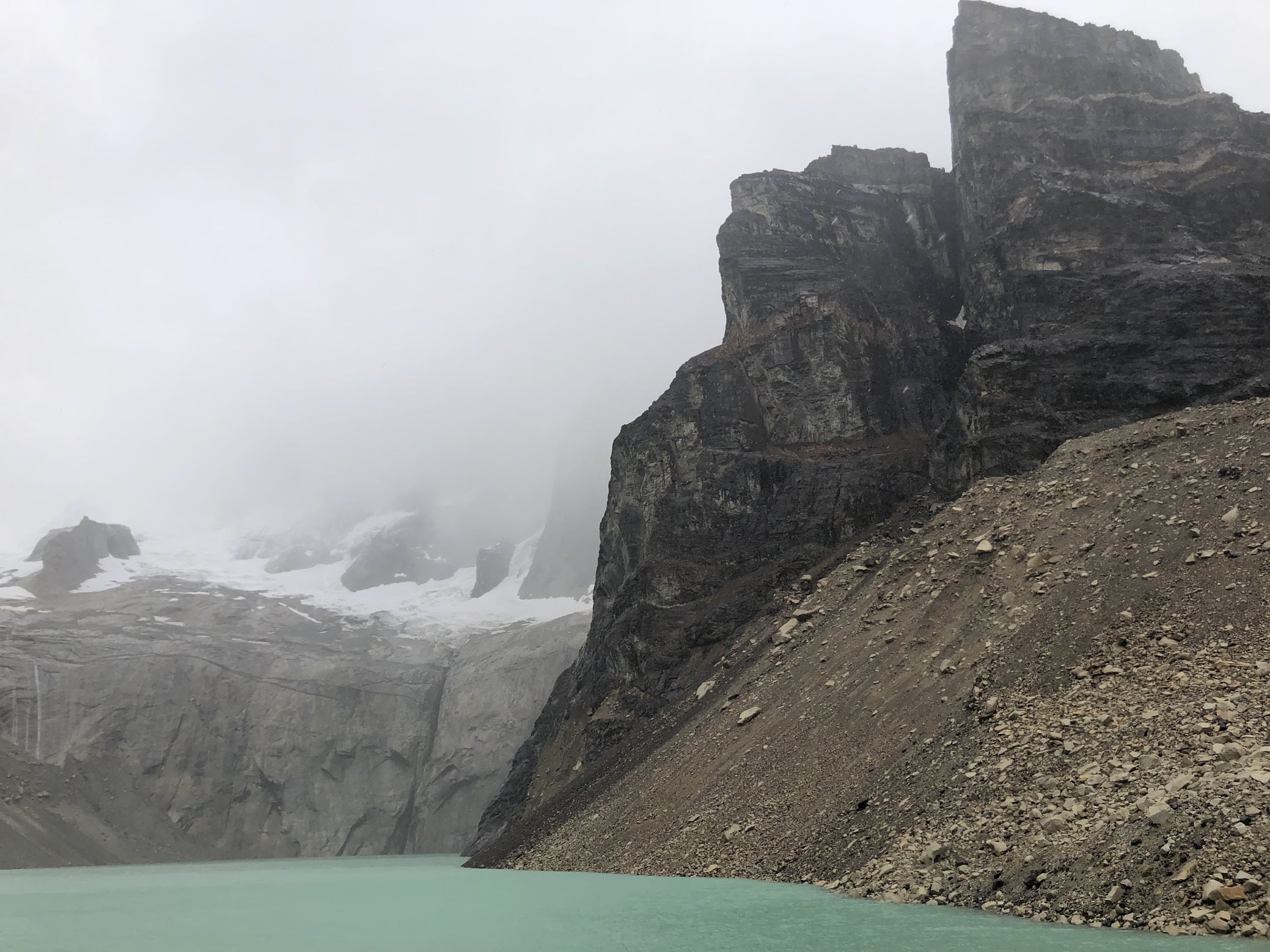
The one consolation was running into a guy heading back down who had already been to the top—he was super excited to tell me he’d seen a rainbow and shared his photo with me. Alright, the towers are still barely visible through the mist, but hey, at least that rainbow is pretty sweet!

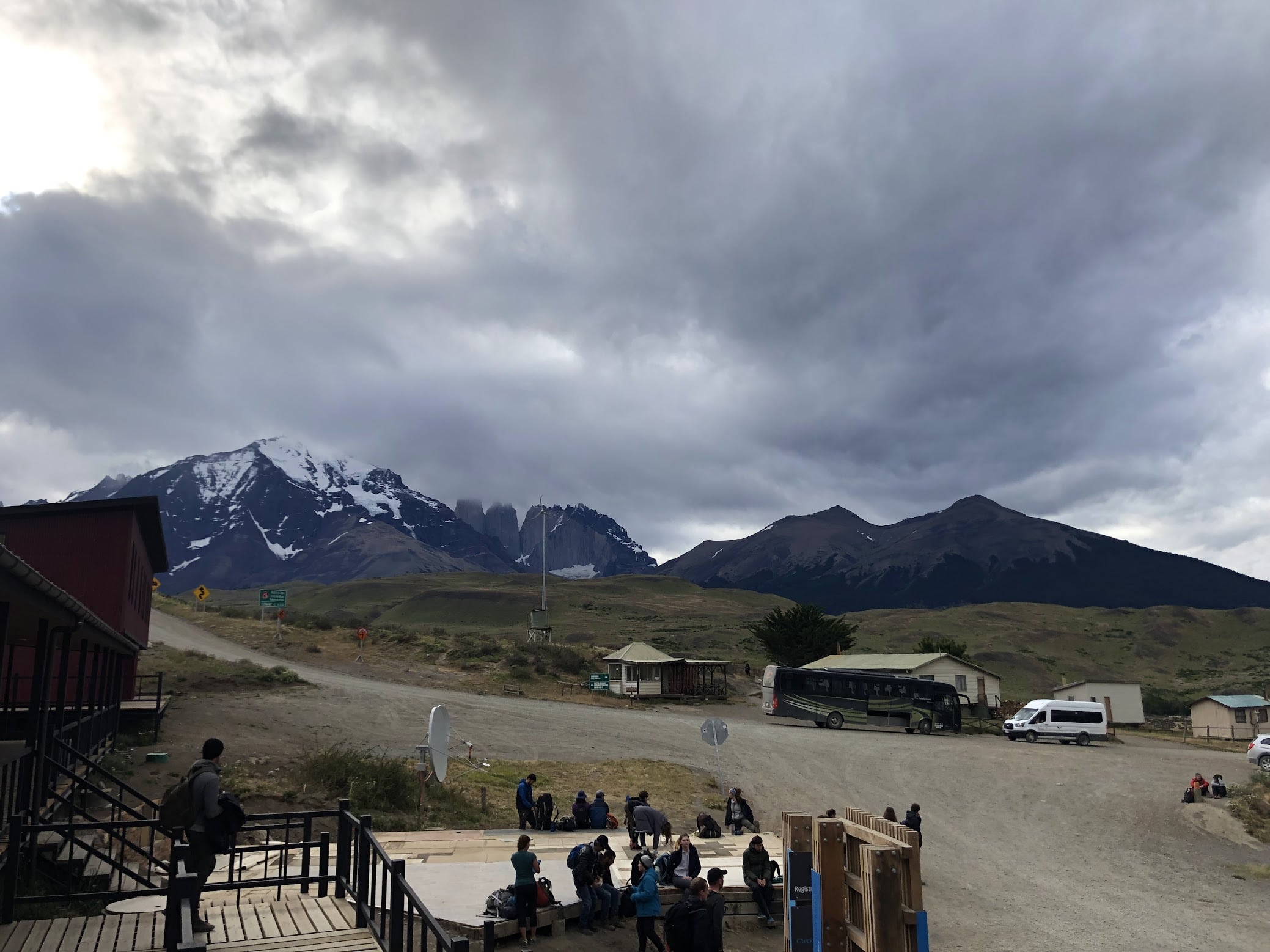
Got back to camp at 3:00 PM and rested for a bit. Caught some bus (forgot which) back to the Laguna Amarga entrance (pretty sure that was my third time transferring here), then hopped on the 7:45 PM bus back to Puerto Natales.
Day 6: Puerto Natales -> Punta Arenas
Booked a bus ticket from Puerto Natales to Punta Arenas on busbud for 8,000 pesos. Departed at 8:30 AM, arrived at 11:30 AM.
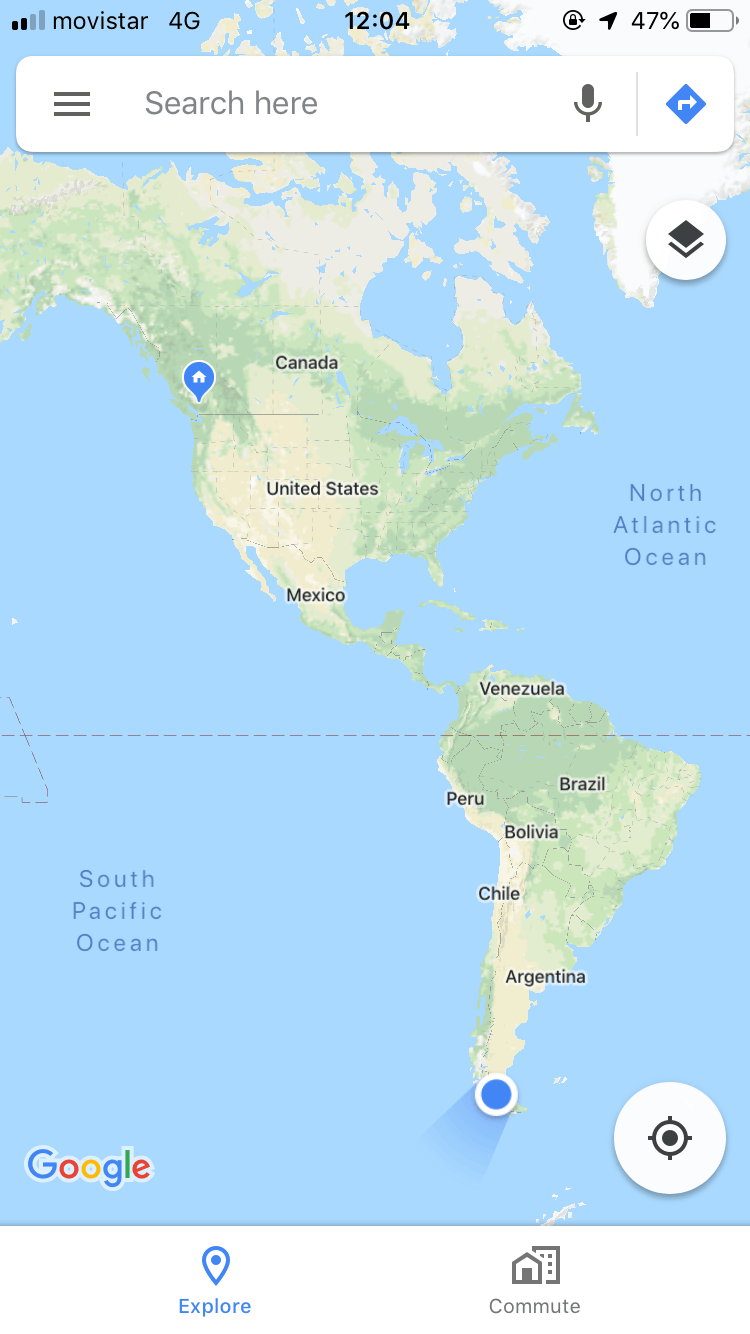
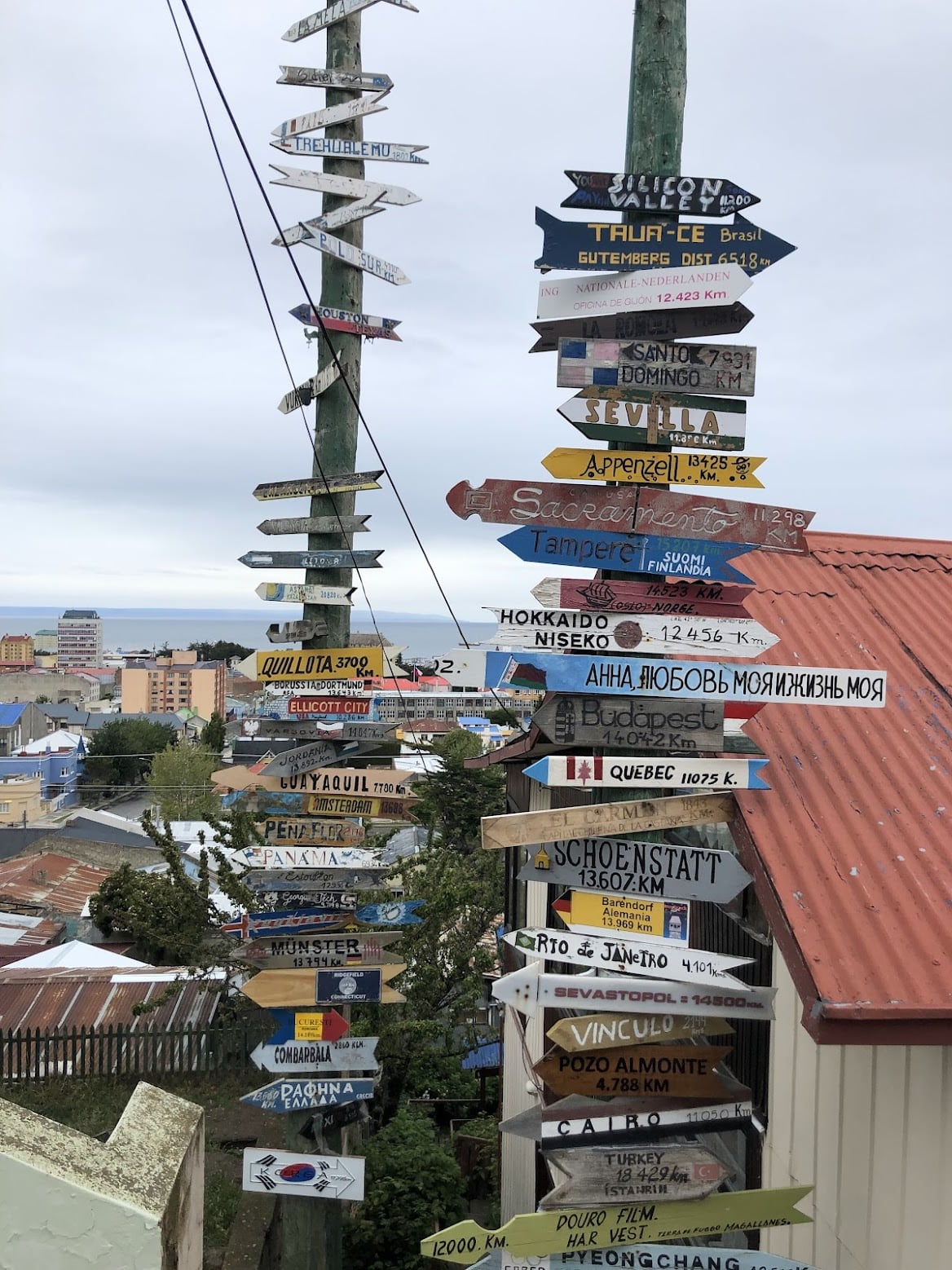
Punta Arenas is basically Chile’s southernmost “big city” (and one of the southernmost cities in the world), kind of like Argentina’s Ushuaia. Check out the map pin to feel just how far south this is. Combined with Deadhorse, Alaska in 2019, I’ve officially stood at both the northernmost and southernmost ends of the Americas!
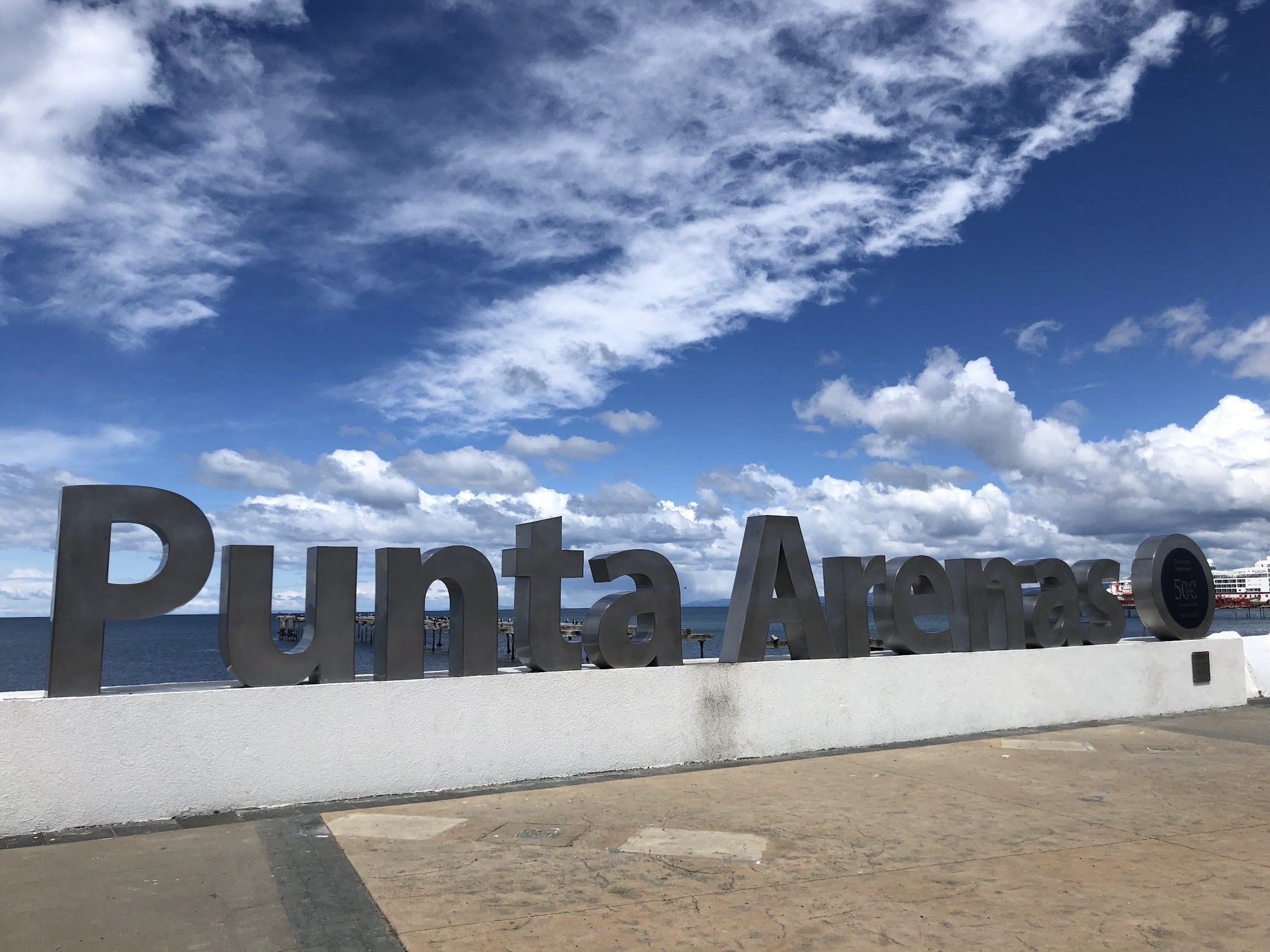
The city itself is actually quite pretty, with lots of maritime shipping.
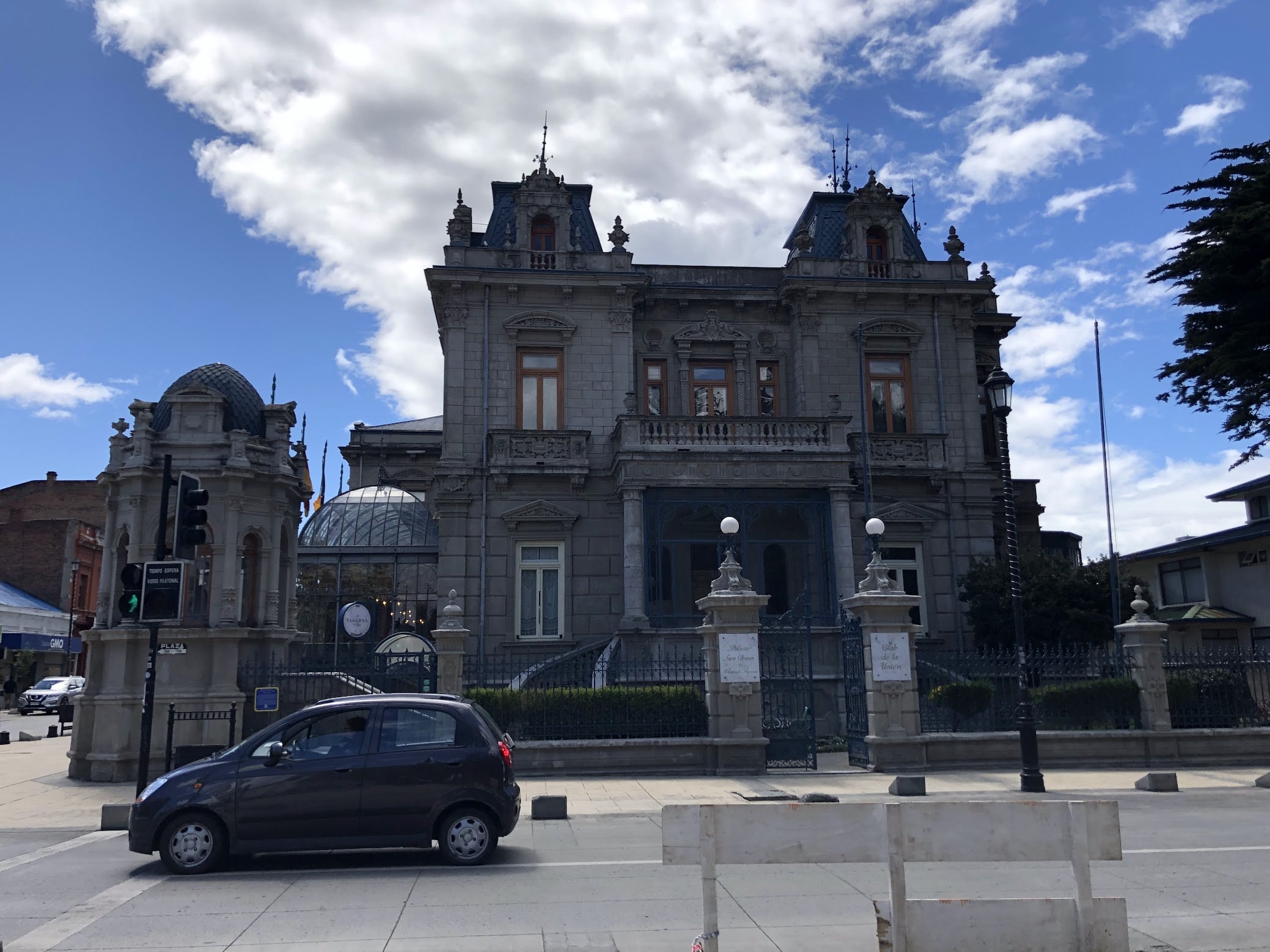
Spent the afternoon wandering casually around town, then went back to chill at the hotel~
Day 7: Punta Arenas <-> Penguin Island, Evening Flight to Santiago
Booked a tour with Solo Expediciones to visit Penguin Island (Magdalena Island) and see the penguins! Back then it was around $90, which was pretty reasonable.
Boarded the boat around 7:00 AM. It’s about 90 minutes each way, so we arrived on Magdalena Island at 9:00. It’s close to shore and the water was super calm, so no seasickness at all. Stepping onto the island blew my mind—there were 🐧 literally everywhere, so adorable! They aren’t very scared of humans either, so you can get quite close. Right before this trip, my company had an outing to the Vancouver Aquarium where we watched a penguin show (with just one penguin) 😂 Looking back, that felt like such a waste of time.

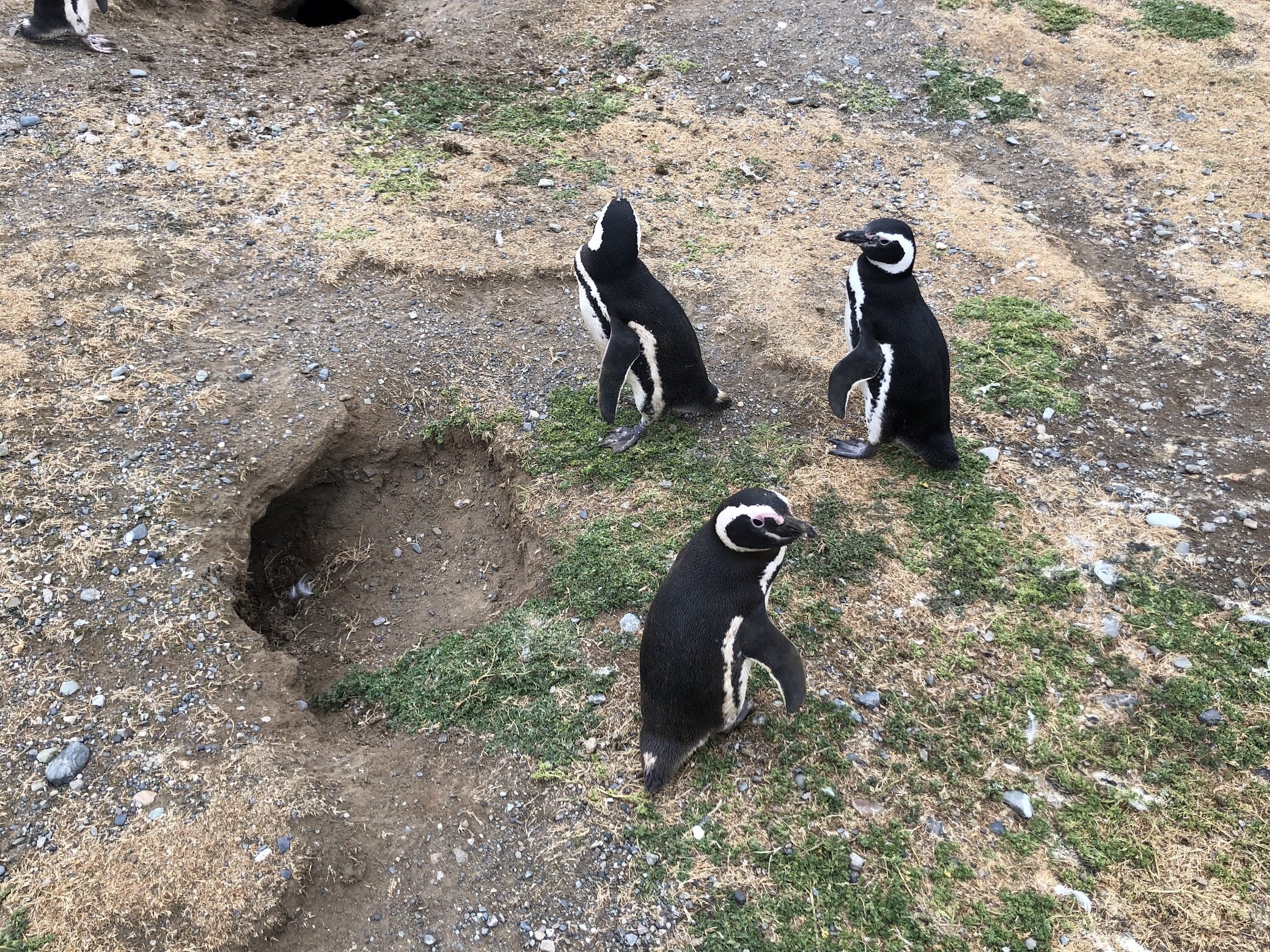
As cute as they are, the island seriously stinks 😂 And they love screaming at the top of their lungs—super noisy~
After the penguins, headed back to Punta Arenas and strolled around town a bit more.
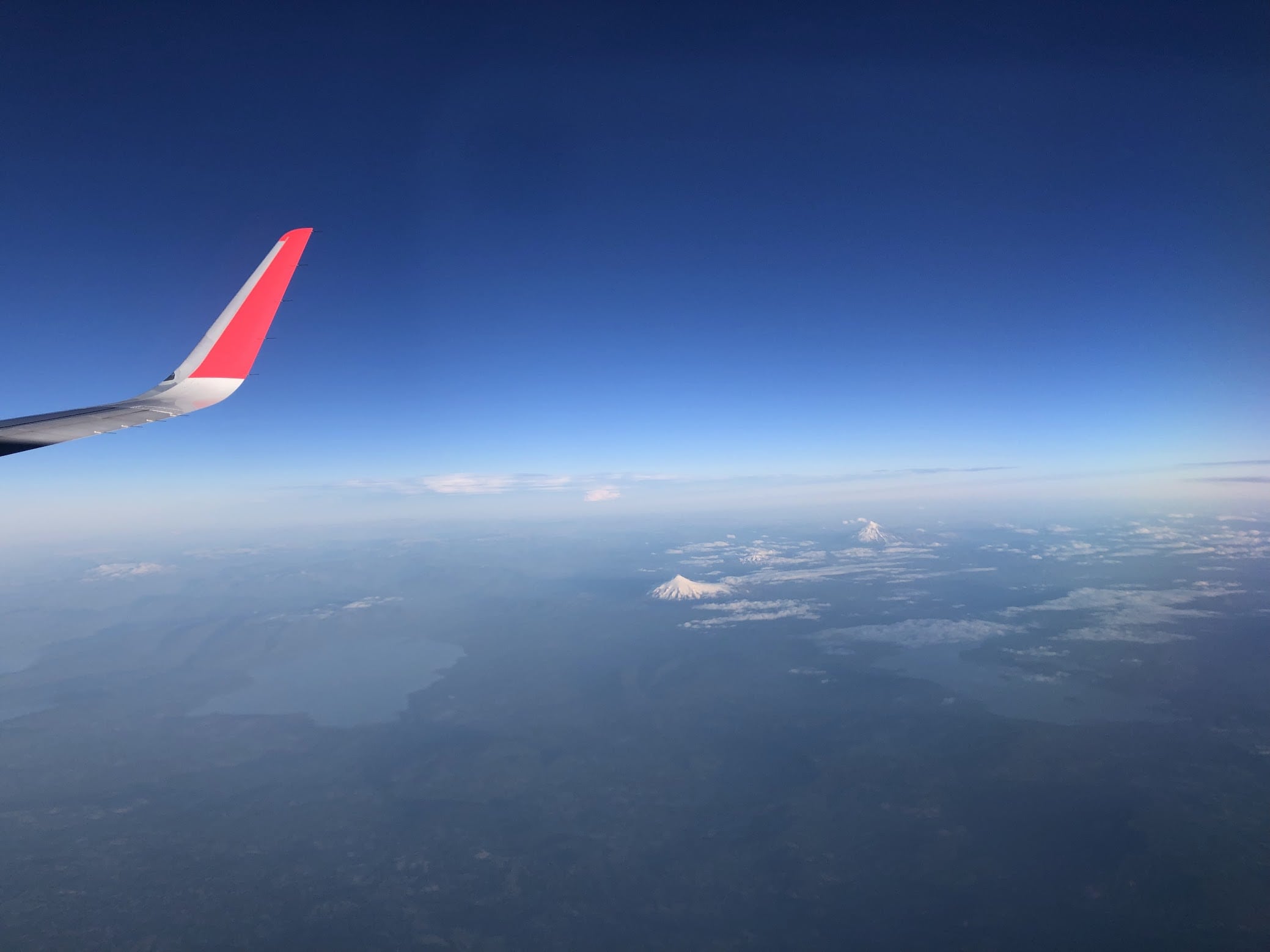
Caught a flight around 7:00 PM to Chile’s capital, Santiago, landing at 10:00 PM. From the plane window I spotted several peaks—judging by our location, probably some of Chile’s volcanoes?
Day 8: Exploring Santiago, Overnight Flight Back to Vancouver
Nothing too special today—just wandered around Santiago during the day before my 10:30 PM flight home to Vancouver~ One memorable detail: today was December 31, 2018, so I rang in the New Year on an airplane 😂.
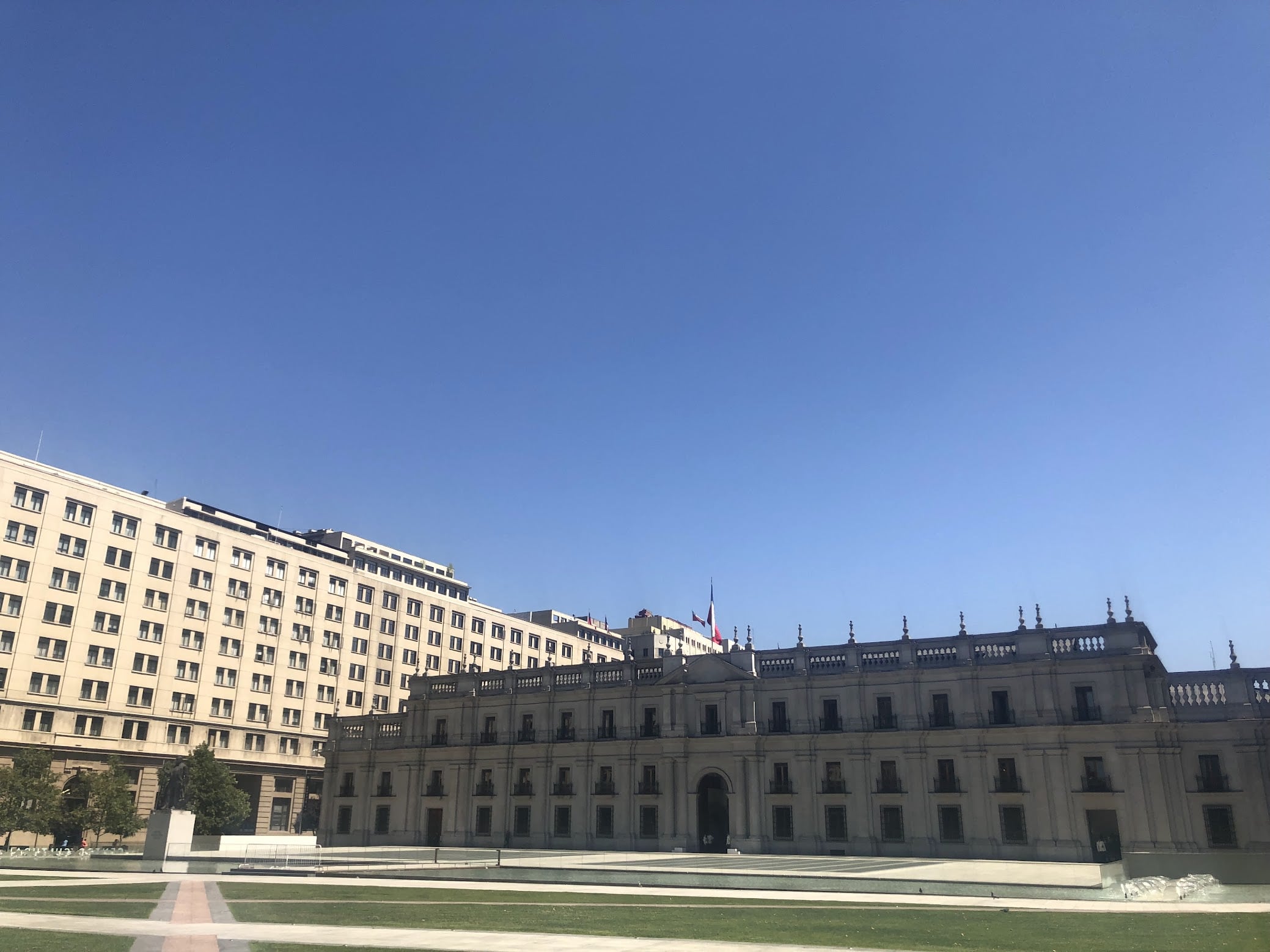
I have to say, Santiago and Buenos Aires have completely different vibes. Buenos Aires really feels like Europe—even though it has a modern CBD, huge swaths of the city feel very “classic.” Santiago, on the other hand, looks much more like a modern metropolis, with mostly new, contemporary buildings and only occasional older architecture mixed in.
Mostly just walked around Plaza de Armas and Sky Costanera without going anywhere else in particular.
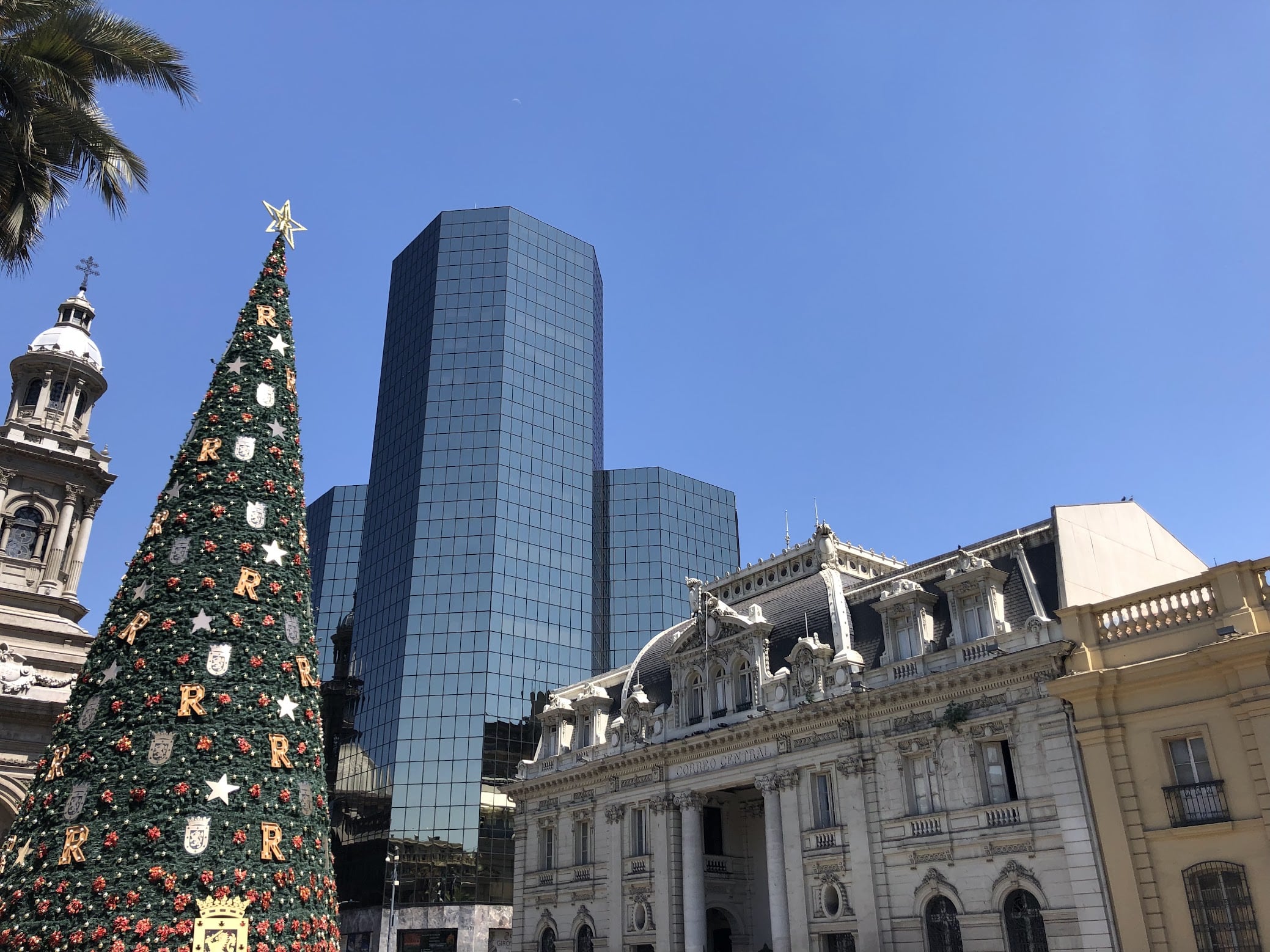
Sky Costanera is definitely worth a visit. The panoramic view over the city is pretty epic, and strolling around the neighborhood is nice too~
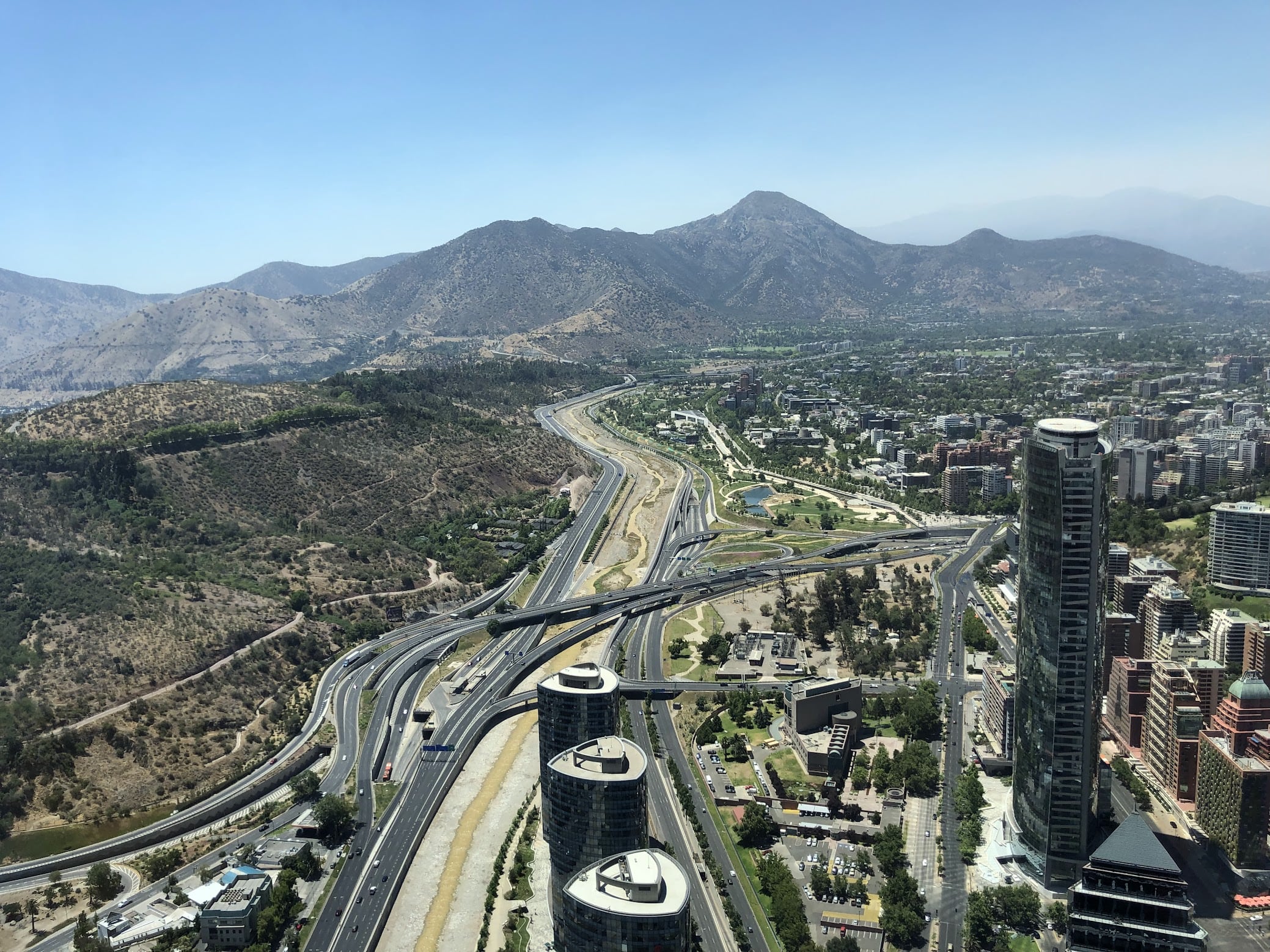
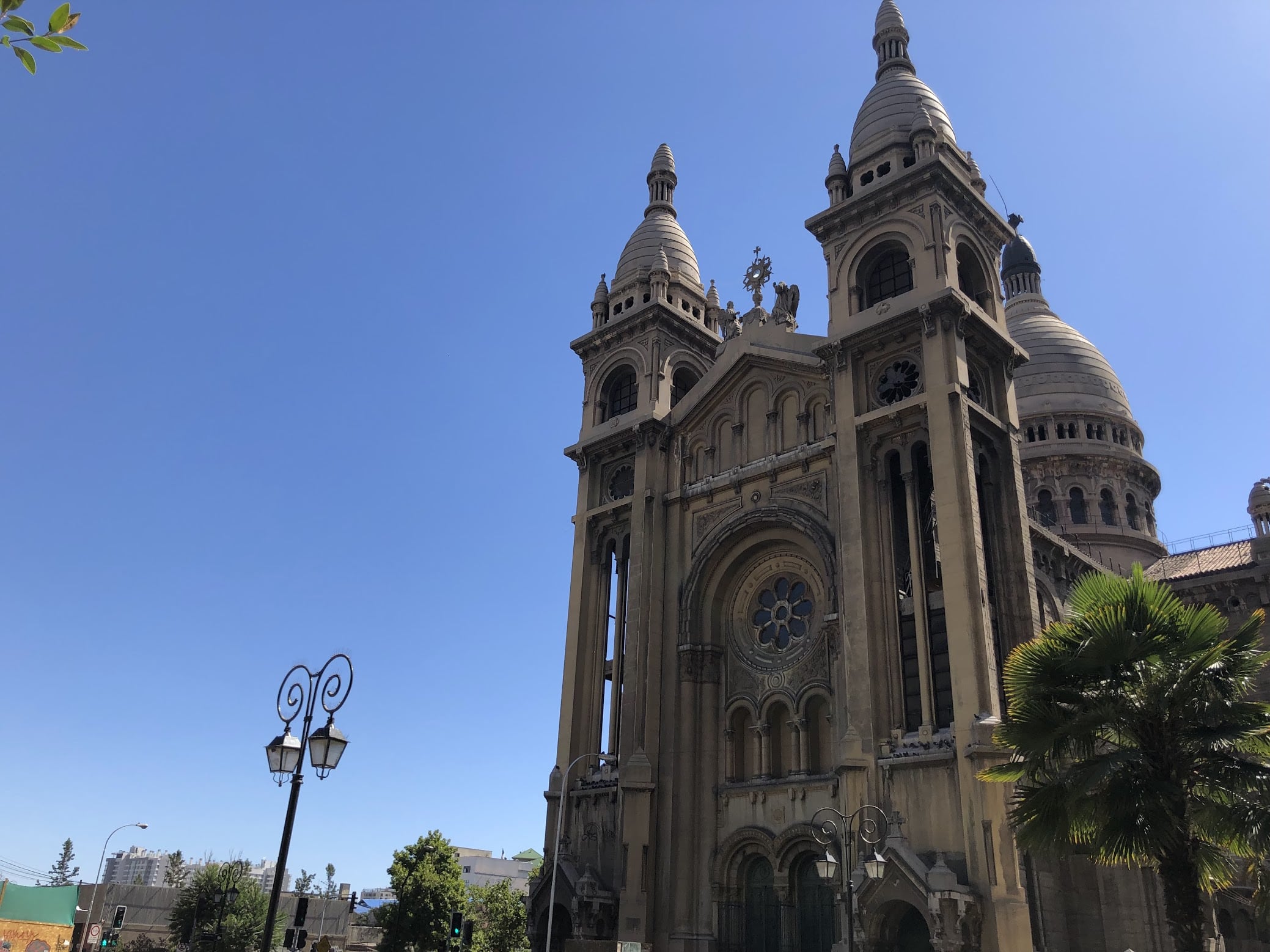
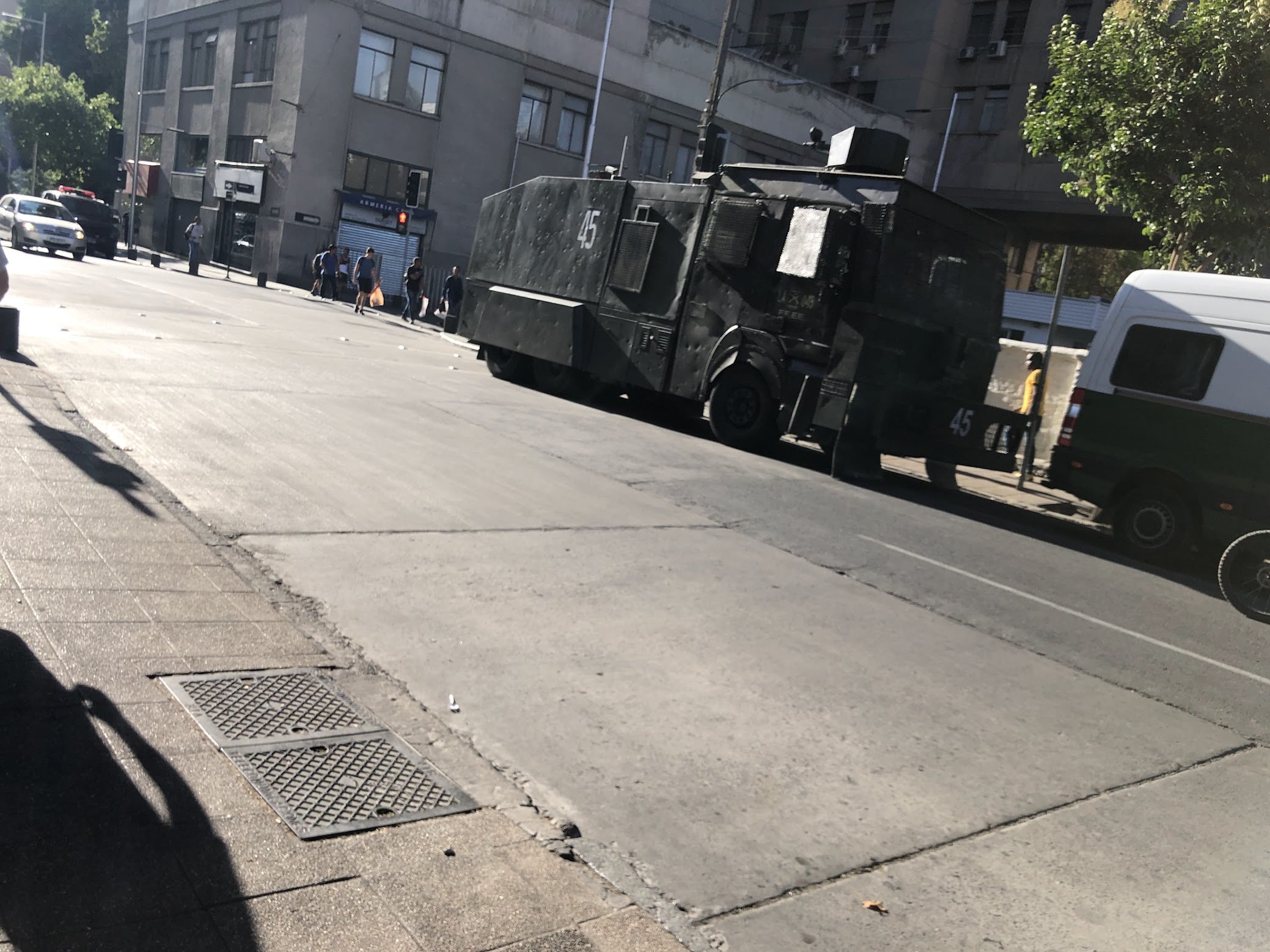
Another interesting thing: I saw a lot of protests that day (saw protests in Buenos Aires too), along with soldiers and even armored vehicles. Looked it up later and sure enough, Chile was going through a pretty turbulent period. Felt like the whole region in South America was pretty unstable.
Thoughts & Impressions
- Compared to Argentina, Chile feels more modern and more expensive. That said, it’s hard to really tell which country is more “developed” from just a few days of travel—Argentina’s overall vibe just felt a bit more chill?
- Maybe it was the weather, but after spending a few days in Torres del Paine, I felt the park is actually better admired from a distance. Once you hike deep into the mountains, the views weren’t quite as jaw-dropping as I expected.